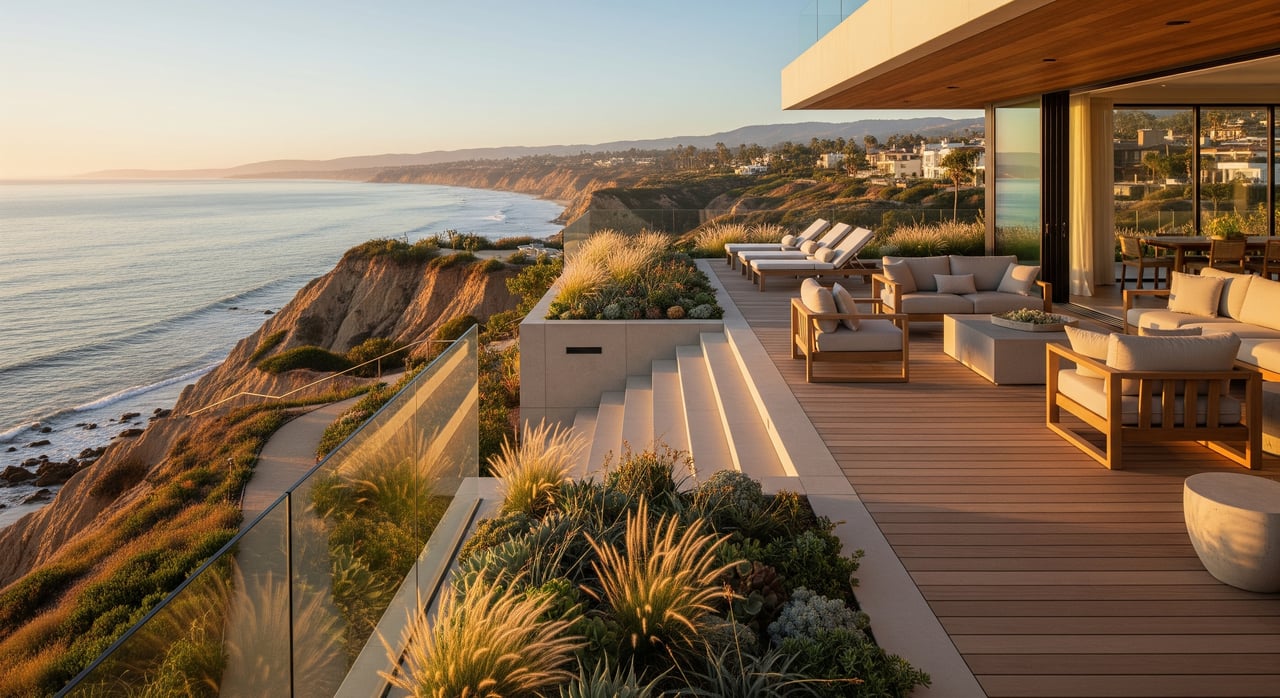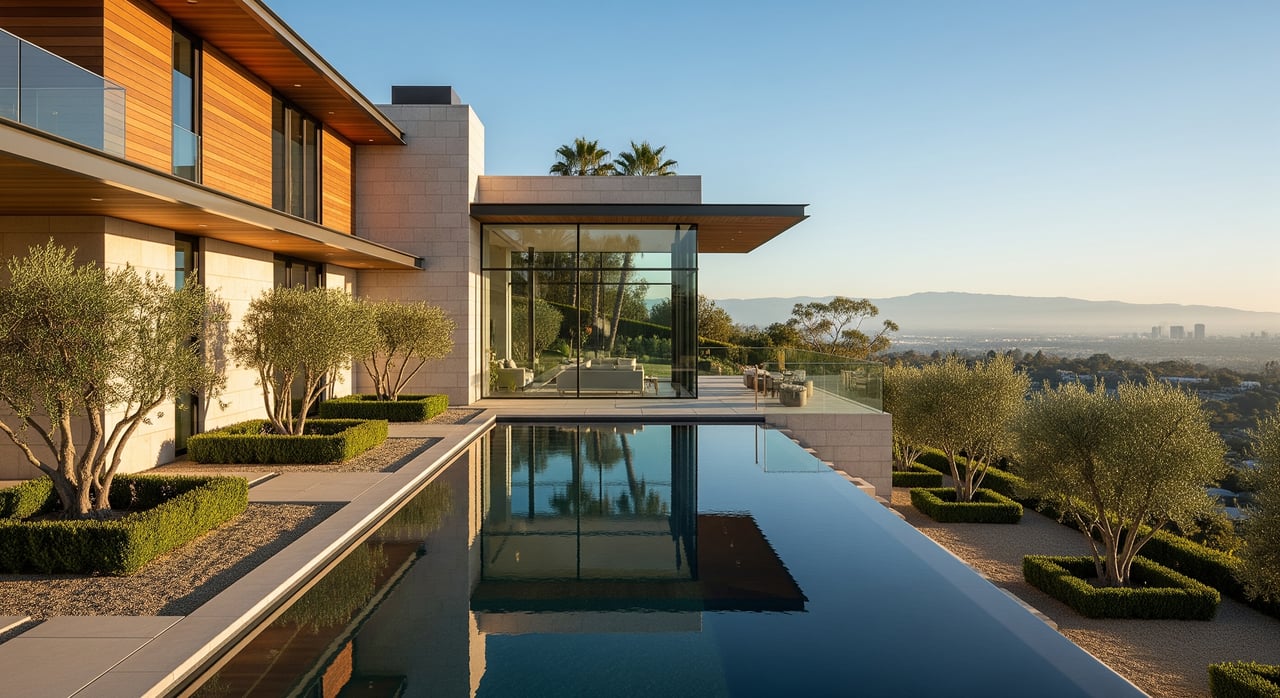
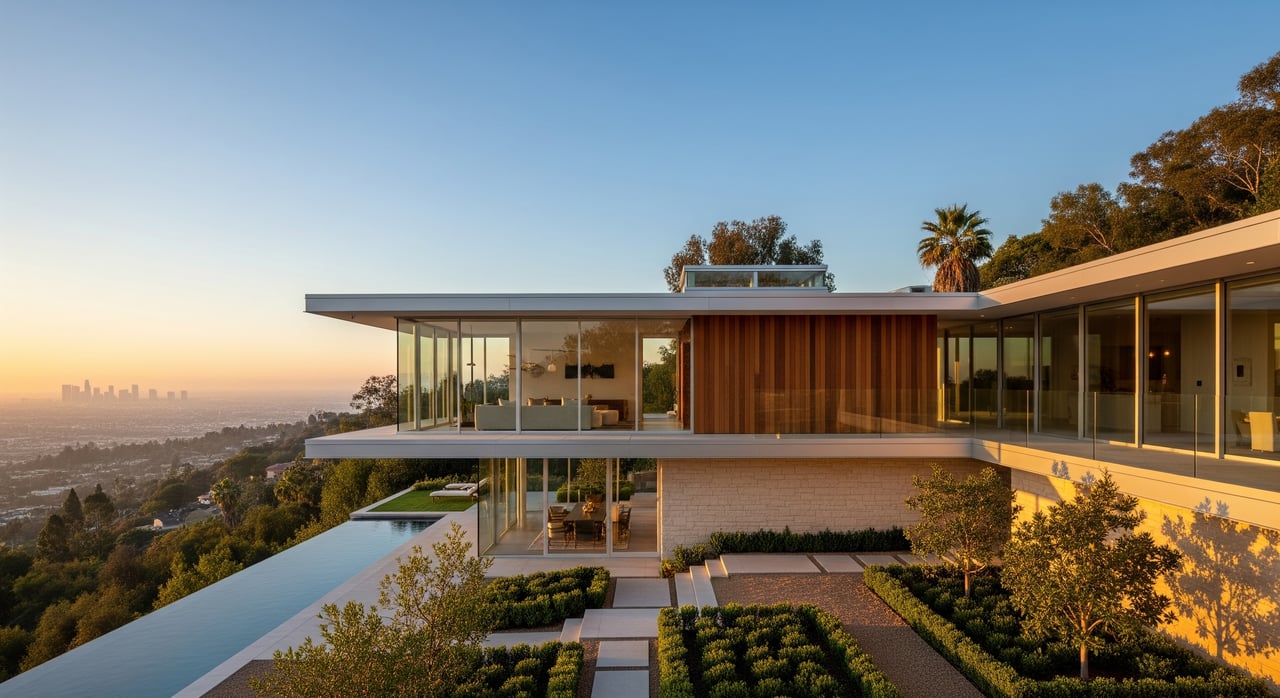
Choosing between a brand-new Bel Air estate and a pedigreed architectural resale can feel like choosing between convenience and character. You want the right mix of livability, privacy, design integrity, and long-term value. In this guide, you’ll learn how these properties differ in materials, systems, permits, risk, and resale signals so you can make a confident decision in Bel Air. Let’s dive in.
New build vs architectural resale at a glance
- New builds deliver turnkey living, modern systems, energy efficiency, and clean permit histories. They typically maximize orientation, indoor-outdoor flow, and amenity space.
- Architectural resales offer provenance, craftsmanship, mature landscapes, and irreplicable siting. They can require targeted restoration and deeper due diligence on systems and permits.
- In Bel Air, hillside context, wildfire exposure, access, and geotechnical stability matter for both. These local factors influence insurability, operating costs, and resale.
Site and context in Bel Air
Bel Air estates live on hillsides where siting is everything. New builds often optimize views, privacy, parking, and outdoor living from the start, sometimes on regraded or consolidated lots. This can deliver expansive terraces and easier circulation for entertaining.
Architectural resales may sit on historically prized view corridors, with mature plantings that create privacy few new properties can match quickly. Hillside integration and legacy landscaping can be central to the home’s appeal. In both cases, confirm access and egress, especially on narrow drives that can impact emergency response and insurability.
Materials and construction quality
New builds are typically constructed to current code, with engineered envelopes, low-e glazing, modern insulation, and contractor warranties. You often benefit from stronger air sealing, better acoustics, and higher-performing systems. Request as-built plans, product specs, and final inspection sign-offs to verify quality.
Architectural resales can feature custom millwork, period stone or metals, and bespoke details that are difficult to replicate. These elements support authenticity and long-term appeal. Review restoration records and maintenance logs, and look closely for patched finishes, water staining at junctions, or mismatched repairs.
Floor plan and livability
Most new builds are laid out for contemporary life. Expect open living, generous kitchen adjacency to outdoor spaces, expansive primary suites, and dedicated amenity zones like theaters, gyms, wellness rooms, and staff quarters. Verify ceiling heights, storage, vertical circulation, and flexible rooms that can convert to offices or guest spaces.
Architectural resales often showcase period circulation and proportions that many buyers value. Some layouts may require strategic remodeling to align with today’s preferences. Before assuming a wall can move, review structural drawings to identify load-bearing elements and confirm what is feasible.
Systems, energy, and automation
New builds usually comply with current Title 24 energy standards and CALGreen measures. That can mean zoned HVAC, modern ventilation, higher electrical capacity, and a home that is future-ready for solar, battery storage, and full automation. Gather MEP schematics, load calculations, and documentation for control platforms.
Architectural resales may have mixed-vintage equipment and legacy wiring or panels. Whole-home automation, solar-ready conduit, and electrical upgrades can be complex, especially when concealment matters for design integrity. Commission an MEP review and technology audit to understand costs and timelines for upgrades.
Permit history and title clarity
For new builds, LADBS-issued permits and a recent Certificate of Occupancy often create a clearer paper trail. Large hillside grading can add complexity, so confirm grading permits, soils approvals, and final sign-offs. City Planning entitlements and Hillside Ordinance compliance are also important in this submarket.
Architectural resales sometimes carry layered permit histories from additions and past renovations. Investigate for unpermitted decks, retaining walls, or older terraces that may need retroactive permits. Check title for easements, shared-drive maintenance agreements, and any recorded notices that could affect use or marketability.
Environmental and site-specific risk
Bel Air sits within a seismically active region and includes hillside terrain with wildfire exposure. For wildfire, confirm defensible space and vegetation management compliance. Insurance availability and premiums often reflect these risk factors and mitigation steps.
Geotechnical conditions are critical on steep lots. Review soils reports, drainage plans, and retaining wall permits. For older homes, ask about prior seismic retrofits, including foundation bolting and bracing. For new builds, verify seismic detailing per current California Building Code.
Insurance and operating costs
Insurers often prefer modern systems, clear permit histories, and wildfire mitigation, all of which can favor new builds. Architectural resales can be insurable as well, but may require specialty coverage or higher premiums depending on age, systems, and site.
Plan for ongoing costs typical of large Bel Air estates. Landscaping, pool and spa, security, utilities, and maintenance of specialty finishes can be material. Property taxes in California are influenced by purchase price, with assessed value increases capped thereafter, so budget for a reset upon acquisition.
Long-term value signals
- Scarcity and provenance: Architecturally significant resales with recognized architects or historical relevance can command premiums and show resilience over time. Their buyer pool is specialized, but deeply motivated.
- Turnkey convenience and breadth: New builds appeal to a wider audience that values ready-to-enjoy living, modern amenities, and systems warranties, which can shorten marketing time in active cycles.
- Replace-or-restore costs: High-quality new builds reflect current construction costs, while resales may have higher restoration costs due to bespoke materials and craftsmanship.
- Function vs. heritage: Some resales trade functional convenience for design authenticity. If you value heritage, the investment in upgrades can pay off in architectural integrity and resale narrative.
Due-diligence roadmap for buyers
Use this focused checklist to protect your position and timelines.
Key documents to request
- Full LADBS permit and inspection history, final approvals, and any Certificates of Occupancy.
- As-built architectural and structural drawings, plus grading and geotechnical reports.
- Title report with easements, shared-drive agreements, and deed restrictions.
- Energy compliance documentation and any solar or battery interconnection records.
- MEP as-builts, equipment age and maintenance logs, and smart-home system documentation.
- Historical records for architect-designed homes, including restoration logs and provenance.
- Insurance loss history, recent pest/termite report, roof condition report, and irrigation plans.
Specialized inspections to commission
- General home inspection by a professional experienced with hillside luxury estates.
- Geotechnical and civil engineering review of slopes, retaining walls, and drainage.
- Structural engineer assessment, especially for older or modified structures.
- Electrician, HVAC technician, and plumber for load, performance, and sewer lateral checks.
- Energy audit with thermal imaging or blower-door testing where applicable.
- Smart-home integrator audit to verify device inventory, licenses, and transferability.
- Wildfire-hazard mitigation specialist for properties in mapped zones.
- Historic-architecture consultant if the property may have designation or significance.
Negotiation levers and escrow protections
- Permit compliance contingency to review records and address any unpermitted work.
- Structural and geotechnical contingency if slope stability or soil issues arise.
- Credits for systems upgrades on resales with undersized electrical service or aging HVAC.
- Review of any historic covenants that could limit planned changes.
- Insurance feasibility clause if placement or renewal is unusually constrained.
Red flags that warrant a pause
- Extensive unpermitted structural work or terrain changes without a clear path to legalization.
- Evidence of slope movement, drainage failures, or repeated retaining wall repairs.
- Inability to obtain suitable insurance or only at prohibitively high premiums.
- Undocumented mechanical upgrades, unpermitted solar or battery systems, or unknown panels.
- Historic designations or preservation easements that materially restrict intended use.
- Utilities that cannot be upgraded to support modernization goals.
- Water intrusion behind millwork, under decks, or at transitions where failures can hide.
How to decide with confidence
Start with your priorities. If you want immediate usability, modern efficiency, and a broad resale audience, a new build can be compelling in Bel Air. If you value design pedigree, site authenticity, and materials that tell a story, an architectural resale may be the better long-term hold.
Pair your preferences with disciplined due diligence on permits, systems, and site risk. In this hillside market, documentation and inspections are not just paperwork, they are value protection. When you line up the facts, the right choice becomes clear.
Ready to evaluate on- and off-market options with a focused plan and data-driven guidance? Book an Appointment with Derrick Smith for a confidential consultation.
FAQs
What is the biggest difference between new builds and architectural resales in Bel Air?
- New builds prioritize turnkey living and modern systems, while architectural resales offer provenance and unique craftsmanship that can require targeted restoration.
How do permits and approvals affect Bel Air hillside properties?
- LADBS permits, grading approvals, and Hillside Ordinance compliance are essential; they influence safety, insurability, and the feasibility of future changes.
Are Bel Air homes in wildfire zones, and does that impact insurance?
- Many hillside areas face elevated wildfire risk, which can affect premiums and availability; defensible space and modern materials can improve insurability.
What systems upgrades are most costly in architectural resales?
- Whole-home automation, electrical service increases, solar-ready conduit, and HVAC modernization can be significant, especially when preserving finishes.
How should I evaluate floor plan changes in an older architectural home?
- Review structural drawings to identify load-bearing walls and consult a structural engineer before assuming open-plan conversions are feasible.
Which property type tends to have broader resale appeal?
- New builds typically attract a wider buyer pool due to turnkey condition and modern amenities, while architectural resales appeal to a more specialized audience.